

Recent Research Projects
New Research Supervised by Dr. Nima Razzaghi-Asl

Engineering A study on 1-(3-chlorobenzoyl)-3-(5-methyl-4-phenylthiazol-2-yl) thiourea reveals how intramolecular hydrogen bonding (IHB) controls its photophysical behavior. Using DFT, TD-DFT, and Kamlet-Abboud-Taft solvation models, researchers found that IHB suppresses excited-state intramolecular proton transfer (ESIPT) while promoting intramolecular charge transfer (ICT). N–H stretching shifts (~3350–3410 cm⁻¹) and minimal IHB elongation across solvents confirm ESIPT is unfavorable. Solvent-dependent HOMO-LUMO gaps and NBO analysis support a delocalized ICT mechanism via dual π-conjugation and IHB pathways. These insights offer a rational guide for tuning thiourea-based optical materials.
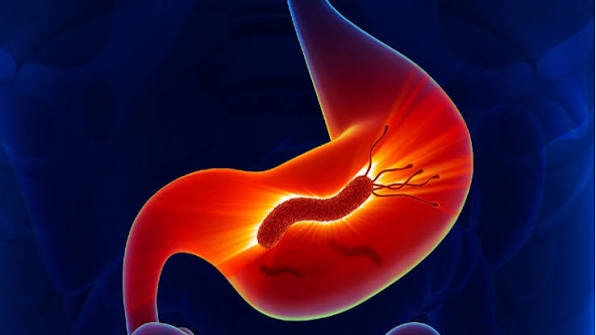
Supervised by Dr Pourya Gholizadeh ; In a cohort of 16,855, H. pylori (70.5% prevalence) was linked to liver disease (OR = 1.91) and AST elevation, but not ALT, GGT, or ALP, suggesting metabolic stress over hepatic injury. The AST/ALT ratio strongly distinguished ALD from NAFLD (OR = 9.52). Metabolic factors had broader enzyme effects. Longitudinal studies are needed
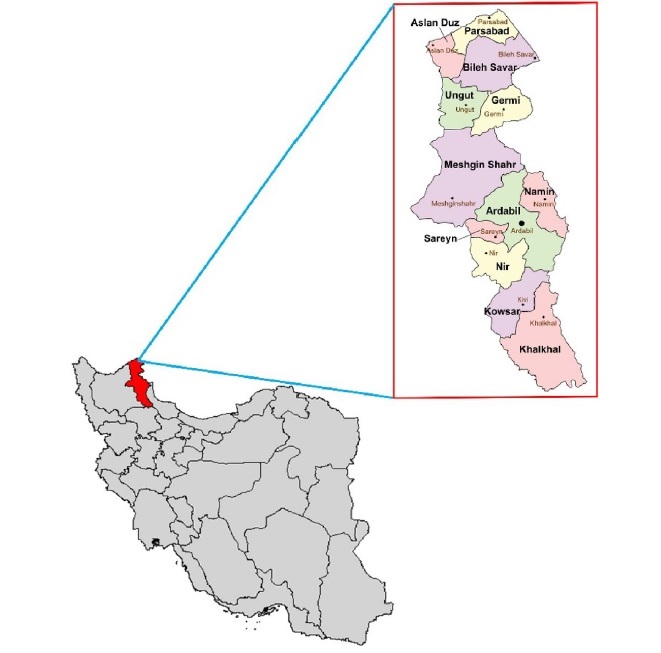
A 2024 molecular survey in Ardabil Province found Mycobacterium bovis DNA in 8% of 150 unpasteurized dairy samples (raw milk, cheese, yogurt) using multi-gene PCR and sequencing. Raw milk showed the highest contamination (14%), with significant product-type association (*p* = 0.044). While bacterial viability remains unconfirmed without culture, the findings highlight potential zoonotic transmission risks. Researchers call for enhanced surveillance, public awareness, and One Health strategies to mitigate this public health concern.The supervisor of this work is Dr Farzad Khademi.
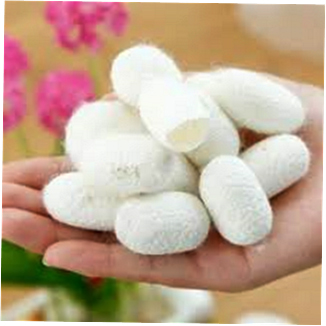
A new study reports promising results in gastric cancer treatment using silk fibroin nanofibers (SFNFs) loaded with 5-fluorouracil (5‑FU). Our research team supervised by Dr. Farzaneh Fathi prepared 5‑FU/SFNFs and confirmed their structure using FT‑IR, UV, and SEM analyses. The nanofibers enabled controlled, pH‑responsive drug release and significantly increased apoptosis- and autophagy‑related gene expression in MKN‑45 cells, enhancing the anticancer impact of 5‑FU.
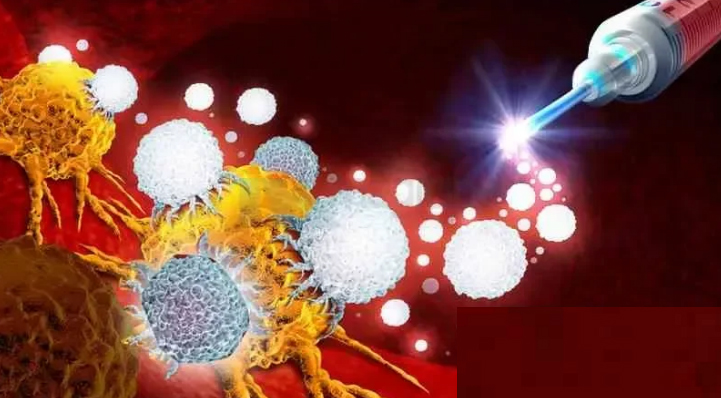
New water-soluble, fluorescent thiosemicarbazone metal complexes (Mn, Fe, Ni, Cu, Zn) show anticancer activity. LMn and LZn target human liposarcoma cells, inducing apoptosis and S-phase cell cycle arrest. Their intrinsic fluorescence enables live-cell imaging, offering a promising tool for tracking and treating cancer. The supervisor of this work is Dr.Elham-Safarzadeh.